
In an era dominated by electronics, emission norms, and digital dashboards, the Yamaha RX100 stands apart as a reminder of motorcycling in its purest form. Long discontinued, it continues to command respect, nostalgia, and admiration that most modern motorcycles can only dream of achieving.
For riders who experienced the late 1980s and 1990s, the RX100 was more than transport. It was freedom on two wheels—light, loud, and thrilling. Even today, conversations about classic bikes in India inevitably circle back to one name: Yamaha RX100.
The Motorcycle That Changed India’s Performance Mindset
When Yamaha introduced the RX100 to India in the mid-1980s, the market was dominated by conservative commuter machines. Performance was an afterthought. The RX100 shattered that mindset overnight.
With its compact proportions and explosive acceleration, it redefined what a small-capacity motorcycle could deliver. Young riders embraced it for its speed, professionals admired its agility, and enthusiasts fell in love with its personality. The RX100 didn’t just sell well—it sparked a cultural shift toward performance motorcycling in India.
Timeless Design That Refuses to Age
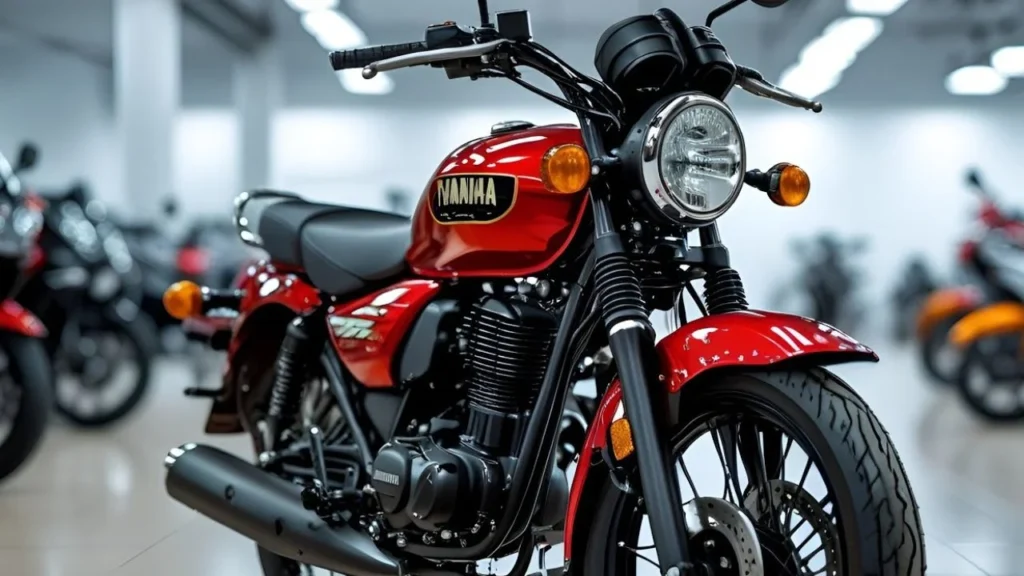
Part of the RX100’s enduring appeal lies in its simplicity. The design was clean, purposeful, and free of excess. A straight fuel tank, flat seat, chrome-finished elements, and a round headlamp gave it a classic silhouette that still looks right decades later.
Its slim stance and compact size made it visually sporty even at rest. On the road, the lightweight build gave it an unmistakable presence. A well-kept RX100 today often draws more attention than far newer and more expensive machines.
Small Engine, Big Personality
At the heart of the Yamaha RX100 sat a 98cc air-cooled two-stroke engine that delivered power in a way few bikes ever have. Numbers alone never told the full story. What mattered was the immediacy of response.
A twist of the throttle produced instant acceleration, catching many larger four-stroke motorcycles off guard. The engine’s high-revving nature and sharp powerband created an experience that felt raw and addictive—qualities largely absent from modern, heavily regulated motorcycles.
The Exhaust Note That Became an Icon
If the RX100 had a signature, it was its sound. That crisp, unmistakable exhaust note could be recognized from blocks away. For many riders, hearing it today instantly brings back memories of youth, speed, and open roads.
The sound wasn’t just noise; it was emotion. It gave the RX100 a character that no modern exhaust tuning can replicate, cementing its place in India’s motorcycling folklore.
Lightweight Build and Rider-Focused Handling
Weighing close to 100 kilograms, the RX100 felt agile in every situation. The light chassis paired with strong power delivery made it thrilling yet approachable.
In city traffic, it darted through gaps effortlessly. On open roads, it encouraged spirited riding. Beginners found it easy to manage, while experienced riders appreciated how alive it felt at higher revs. That balance turned the RX100 into a true rider’s machine.
Simple Mechanics, Lasting Reliability
Technology on the RX100 was minimal, and that worked in its favor. A straightforward four-speed gearbox, basic suspension, and drum brakes kept things mechanical and predictable.
This simplicity also made the motorcycle easy to maintain. Mechanics across towns and villages understood it well, which contributed to its widespread popularity and long service life.
Real-World Usability and Ownership
Fuel efficiency was never its strongest suit, but owners accepted that trade-off willingly. Mileage figures typically hovered around 25–30 km/l, depending on tuning and riding style. For most, the thrill outweighed the fuel cost.
Even today, well-maintained RX100s remain usable for short commutes and weekend rides, though parts availability and two-stroke oil requirements demand commitment from owners.
From Daily Rider to Cult Collectible
The RX100’s discontinuation in the mid-1990s, driven by stricter emission norms, only added to its mystique. Over time, it transitioned from a common sight to a prized possession.
Restoration culture around the Yamaha RX100 has grown rapidly. Original parts are scarce, and clean, stock examples now command significant premiums. For collectors, owning an RX100 is like owning a piece of Indian motorcycling history.
Why Its Charm Can’t Be Recreated
Modern motorcycles are undeniably better in terms of safety, efficiency, and technology. Yet they lack the raw, unfiltered connection that defined the RX100. Electronic aids, heavier builds, and stricter regulations have changed how bikes feel.
The RX100 delivered an honest, mechanical relationship between rider and machine. That authenticity explains why calls for its return still surface—even though a modern version could never truly replicate the original.
Final Verdict
The Yamaha RX100 transcended its role as a motorcycle to become a symbol of an era. Its design, performance, sound, and emotional pull reshaped Indian motorcycling and left a legacy that continues to inspire passion decades later.
It may never return in its original form, but the RX100’s spirit lives on through collectors, restorers, and riders who refuse to let legends fade. Some motorcycles are remembered. The Yamaha RX100 is remembered—and revered.