
Nearly five decades after it entered circulation, the Bicentennial Quarter is enjoying renewed attention in 2026. What was once spare change tucked into wallets and desk drawers has become a serious point of interest for collectors, investors, and everyday Americans curious about hidden value.
This surge isn’t nostalgia alone. Auction results, rising silver prices, and viral discoveries of rare errors have pushed the 1776–1976 Bicentennial Quarter Value Guide back into relevance. For many, the big question is simple: could a familiar coin from the past be worth far more today?
A Coin Born From a Defining American Moment
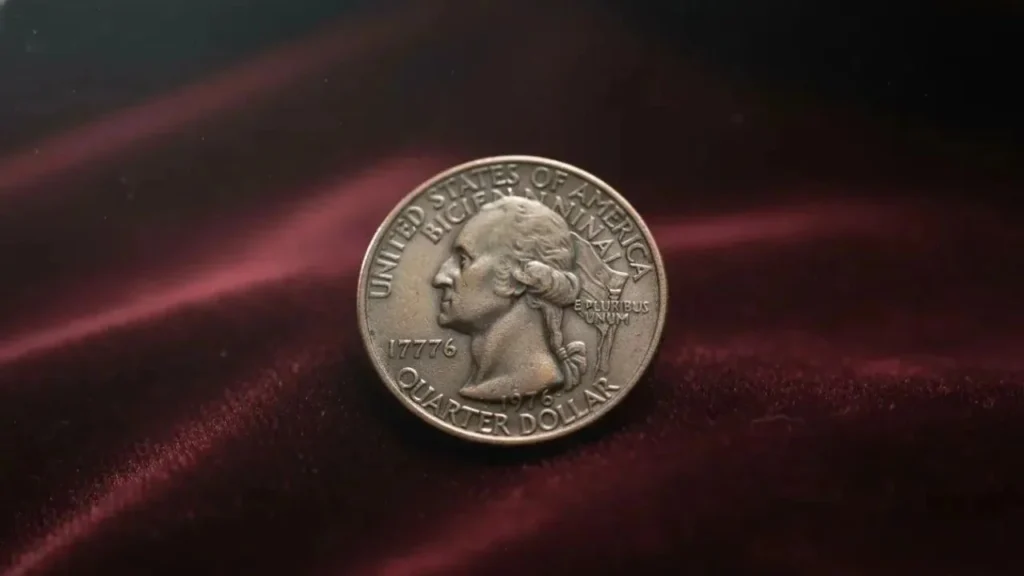
The U.S. Mint struck the Bicentennial Quarter to mark 200 years since the Declaration of Independence. Unlike standard quarters, it carried a dual date—1776–1976—and a completely new reverse design created specifically for the celebration.
This one-time design choice instantly separated the Bicentennial Quarter from every other Washington quarter before or since. That distinction alone is why the coin remains one of the most recognizable pieces of modern U.S. currency.
The Design That Made It Iconic
A Drummer, a Torch, and Thirteen Stars
Instead of the traditional eagle, the reverse features a colonial drummer boy, symbolizing the spirit of the American Revolution. A torch and thirteen stars surround the figure, a direct nod to the original colonies.
George Washington’s portrait stayed on the obverse, but the dual date made history visible at a glance. For collectors, this combination of symbolism and limited-time design continues to drive demand.
How Common Bicentennial Quarters Fit Into Today’s Market
The reality is that most Bicentennial Quarters remain common. The U.S. Mint produced them in massive numbers at Philadelphia and Denver, ensuring they circulated widely.
In average circulated condition, these quarters typically trade close to face value. Their appeal lies more in historical sentiment than investment potential. However, condition still matters—uncirculated examples can command small premiums, especially as surviving high-grade coins become harder to find.
Where Real Value Begins: Rare Varieties and Errors
Mistakes That Created Collectors’ Gold
The most valuable Bicentennial Quarters weren’t supposed to exist. Minting errors—wrong metal planchets, off-center strikes, and doubled dies—turned ordinary coins into rare collectibles.
A quarter struck on a silver or foreign blank can sell for thousands. Dramatic errors that are visually obvious tend to attract the strongest bidding, particularly when authenticated by major grading services. These coins don’t surface often, but when they do, they reshape expectations around value.
Silver-Clad Bicentennial Quarters Explained
Beyond circulation strikes, the San Francisco Mint produced special collector versions containing 40 percent silver. These silver-clad quarters were never meant for everyday use and were sold in proof and uncirculated sets.
While not ultra-rare, their intrinsic silver content gives them a baseline value above standard quarters. In high grades, they remain a reliable entry point for collectors who want both historical significance and tangible metal value.
Separating Fact From Fiction on Million-Dollar Claims
Stories of Bicentennial Quarters worth millions continue to circulate online, often without context. In reality, only coins that combine extreme rarity, exceptional condition, and documented provenance reach headline-grabbing prices.
The legend persists because it reflects the dream of the hobby—the idea that history, chance, and preservation can align in extraordinary ways. While most finds won’t change lives overnight, the possibility keeps collectors searching.
How Experts Identify High-Value Bicentennial Quarters
Serious collectors focus on three factors: condition, composition, and anomalies. Sharp details, original luster, and minimal wear matter as much as the error itself.
Professional grading has become essential. Coins certified at the highest mint-state levels often multiply in value compared to ungraded examples. In a market where authenticity drives trust, certification isn’t optional—it’s strategic.
Market Trends Heading Into 2026
Interest in historic U.S. coinage remains strong, fueled by younger collectors entering the hobby and long-time enthusiasts upgrading collections. Silver-clad Bicentennial Quarters regularly trade for solid premiums, while confirmed error coins continue to headline auctions.
The 1776–1976 Bicentennial Quarter Value Guide reflects a market where knowledge pays off. Informed buyers know that scarcity and condition—not hype—determine long-term value.
Why Collectors Still Care
For many, the Bicentennial Quarter represents more than money. It’s a tangible link to a moment when the entire country paused to celebrate its origins. Some collectors chase complete sets, others hunt errors, and some simply enjoy the history in their hands.
That emotional connection keeps demand steady, even when broader collectible markets fluctuate.
The Road Ahead for Bicentennial Quarters
As 2026 unfolds, the Bicentennial Quarter shows no signs of fading from relevance. Rising interest in American history, combined with a finite supply of high-grade and error coins, suggests continued collector demand.
Most quarters will remain modestly valued, but the rare standouts will keep redefining expectations. For anyone willing to look closely, the Bicentennial Quarter remains proof that everyday objects can still hold extraordinary stories—and sometimes, surprising value.