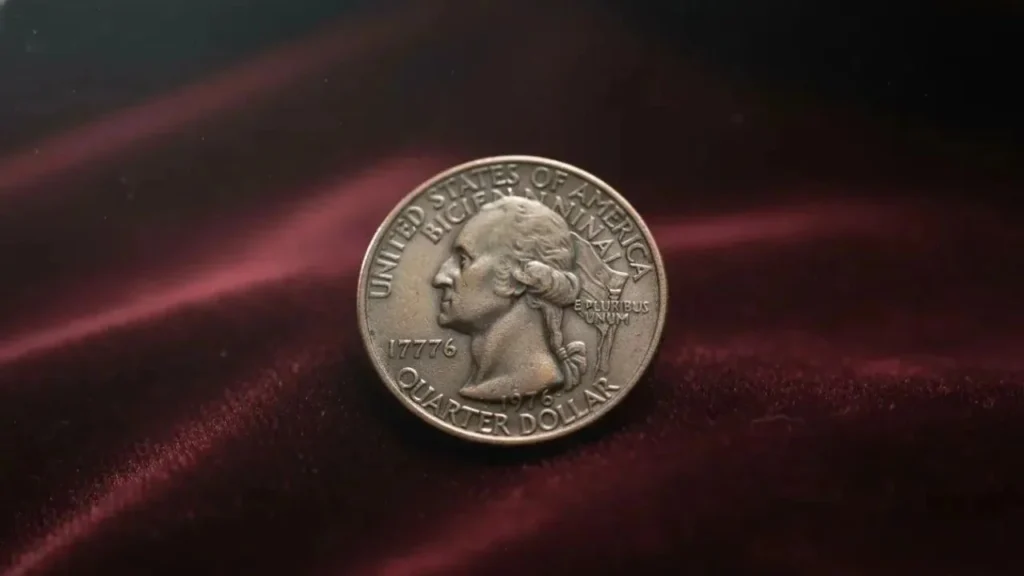

Few U.S. coins feel as instantly familiar as the Bicentennial quarter. Struck to celebrate 200 years of American independence, it marked a rare moment when everyday money doubled as a national symbol. Nearly five decades later, these quarters still surface in pocket change, quietly carrying history from 1976 into the present day.
What makes the timing especially interesting now is renewed collector attention. With America approaching its 250th anniversary, interest in earlier milestone coins is climbing. While most Bicentennial quarters remain worth face value, certain circulating and collector-focused versions have become genuine targets for numismatists.
Why the Bicentennial Quarter Stands Apart
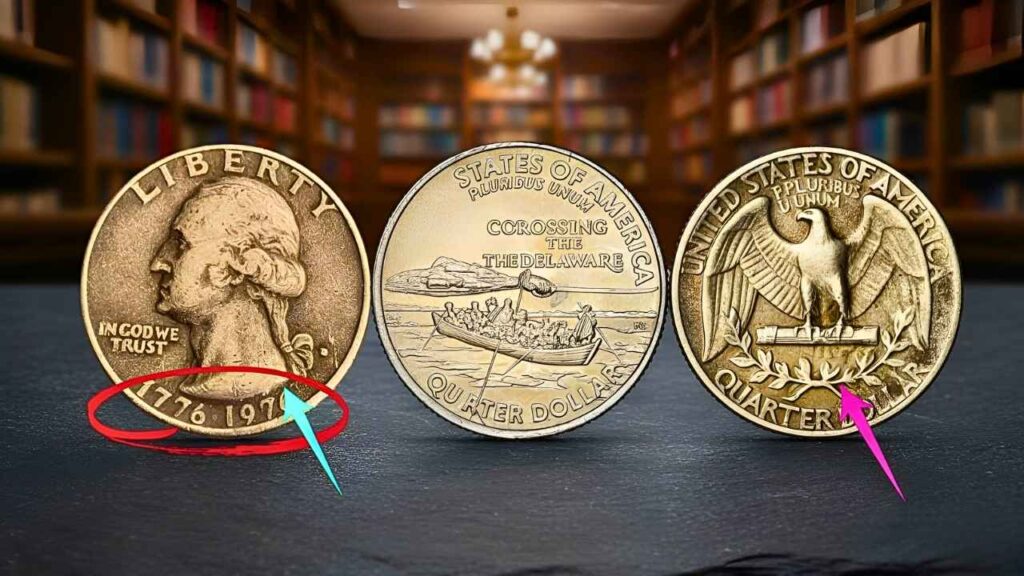
The design alone set it apart from every other Washington quarter. Instead of the traditional eagle, the reverse features a colonial drummer, paired with a torch and thirteen stars. The dual date “1776–1976” on the obverse ensured the coin would never blend into the background of everyday change.
Because the U.S. Mint produced these quarters in massive numbers, they became one of the most widely handled commemorative coins in American history. That balance—extreme availability paired with a handful of scarce variations—drives collector demand today.
Philadelphia Mint: No Mint Mark, Big Opportunity
Common Coin, Rare Condition
Philadelphia struck Bicentennial quarters without a mint mark, and millions entered circulation. Most remain ordinary, but condition separates the average from the exceptional. Coins preserved with sharp details, clean surfaces, and no wear can carry surprising premiums.
High-grade examples certified at MS67 or above are scarce. These coins often sell for hundreds of dollars, not because of rarity in production, but because few survived circulation untouched. For collectors who enjoy roll hunting, Philadelphia issues offer the thrill of discovery.
Denver Mint: Subtle Differences, Serious Appeal
Strong Strikes and Error Potential
Denver-issued Bicentennial quarters carry a small “D” mint mark. Like their Philadelphia counterparts, they’re plentiful, but collectors often note stronger strikes and clearer details on some Denver examples.
This mint also produced a limited number of error coins, including doubled dies and off-center strikes. These mistakes dramatically increase value and remain highly sought after. For collectors building complete Bicentennial sets, Denver quarters are a core piece with room for upside.
San Francisco Clad Proof: Collector Craftsmanship
Proof Coins That Sometimes Slip Into Circulation
San Francisco produced Bicentennial quarters specifically for collectors, using proof striking techniques. These coins feature mirror-like fields and frosted design elements, giving them a polished, high-contrast appearance.
Although they weren’t meant for everyday use, a small number escaped into circulation. Most remain affordable, but top-condition proofs graded PR69 or PR70 command strong prices. Their visual appeal alone makes them favorites among modern collectors.
San Francisco 40% Silver: The Prize Find
The Most Valuable Bicentennial Quarter
The standout of the series is the 40 percent silver Bicentennial quarter, also struck in San Francisco. Sold originally in special collector sets, these coins contain intrinsic silver value alongside historical importance.
High-grade examples can sell for hundreds or even thousands of dollars, depending on condition and market demand. Finding one in circulation is rare, but not impossible, which adds to their mystique. For many collectors, this silver issue represents the pinnacle of the Bicentennial lineup.
What Collectors Should Watch For
Mint marks offer the first clue, but they’re only the beginning. Strike quality, surface preservation, and originality play major roles in determining value. Errors such as doubling or misalignment add another layer of collectibility.
Composition matters most with San Francisco silver issues, while grading determines price ceilings across all types. Learning to spot these details turns an ordinary quarter into a potential collectible.
Market Outlook: Why Interest Is Growing
The market for 1976 Bicentennial Quarters has stayed consistently active thanks to nostalgia and accessibility. Auction data shows steady demand for high-grade circulation strikes, proof coins, and silver versions.
As the United States approaches its 250th anniversary, collectors are revisiting earlier commemoratives. That renewed attention could push demand—and prices—higher for top-condition examples, especially those already certified.
A Coin That Bridges Past and Present
The Bicentennial quarter remains a rare success story: a coin produced for everyday use that grew into a lasting collectible. While most examples won’t fund a retirement, select varieties continue to reward careful eyes and patient collectors.
Looking ahead, these quarters are likely to gain even more attention as Americans reflect on major anniversaries. For collectors old and new, they remain a tangible reminder of a national celebration—and proof that history can still turn up in spare change.