
Everyday objects rarely spark headlines, but occasionally something ordinary reminds us why people still believe in hidden treasures. The story of a Rare Lincoln Wheat Penny Valued at $168,000 has reignited interest in coin collecting at a time when more Americans are rechecking jars, drawers, and inherited keepsakes.
Rising auction prices and renewed interest in tangible collectibles have pushed classic U.S. coins back into the spotlight. Among them, the Lincoln Wheat Penny stands out because it once passed through millions of hands, making the idea of a life-changing discovery feel just plausible enough to be exciting.
The Birth of an American Classic
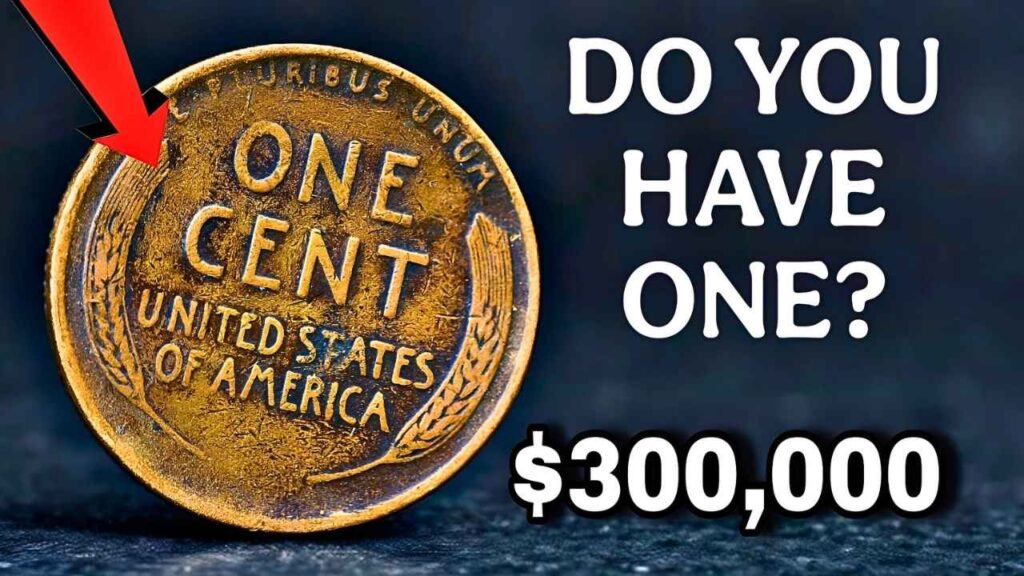
The Lincoln Wheat Penny entered circulation in 1909, marking a turning point in U.S. coinage. For the first time, an actual historical figure appeared on a regularly issued American coin. Victor David Brenner’s portrait of Abraham Lincoln on the front paired with wheat stalks on the reverse symbolized growth, unity, and national pride.
The design remained in production until 1958, meaning several generations used these coins in daily life. That long run created countless variations, some intentional and others accidental, which later became the foundation of today’s collector market.
How a Penny Reaches Six-Figure Value
Not every wheat penny carries serious value. The Rare Lincoln Wheat Penny Valued at $168,000 belongs to a small group of coins defined by extreme scarcity and historical quirks. The most famous example is the 1943 copper penny, struck accidentally when steel blanks were supposed to replace copper during World War II.
Only a handful escaped the mint, and their survival turned them into legends. Other high-value examples include dramatic doubled-die errors, where dates and lettering appear clearly duplicated, and low-production issues from certain mints. These coins represent moments when the minting process briefly went off script.
What Collectors Look for First
Experienced collectors begin with the basics: the year, the mint mark, and the overall condition. Early dates such as 1909-S, 1914-D, and 1931-S often trigger closer inspection. Mint marks can significantly affect value, especially when combined with low production numbers.
Condition matters just as much. Sharp details, original color, and minimal wear dramatically increase a coin’s appeal. Even a rare error loses value if it has been heavily damaged through circulation.
The Role of Errors and Authenticity
Mint errors remain the most exciting factor in modern collecting. Off-metal strikes, doubled dies, and missing design elements can instantly elevate a coin from curiosity to headline material. That said, authentication is critical. Professional grading services verify whether an unusual feature is genuine or simply damage from circulation.
Certified coins consistently command stronger prices at auction because buyers trust what they are bidding on. In today’s market, grading often separates a five-figure result from a missed opportunity.
Could One Really Appear in Pocket Change?
The odds remain slim, but they are not zero. Old collections sometimes get spent unknowingly, and wheat pennies still surface in rolls, estate cleanouts, and forgotten containers. While most found examples are common, every rare discovery adds to the legend.
That possibility fuels the habit of checking change, even among people who never considered themselves collectors. The thrill lies not just in profit but in the chance to touch a piece of overlooked history.
Market Insight: Why Demand Stays Strong
Rare coins continue to attract both collectors and investors because supply never increases. A Rare Lincoln Wheat Penny Valued at $168,000 reflects more than nostalgia; it shows how scarcity, condition, and storytelling drive demand.
As alternative assets gain popularity, historically significant coins remain attractive because they combine tangible value with cultural relevance. Competition at auctions remains fierce for authenticated rarities, especially those with famous error stories.
A Legacy Bigger Than Money
Beyond dollar figures, the Lincoln Wheat Penny represents a bridge between everyday life and national history. These coins passed through hands during wars, economic shifts, and social change. Their survival allows modern collectors to connect directly with those moments.
That emotional connection explains why interest has endured for decades, even when most examples hold modest value.
Final Thoughts
The Rare Lincoln Wheat Penny Valued at $168,000 stands as proof that remarkable value can hide in familiar places. While few people will ever find one, the possibility keeps curiosity alive and encourages closer attention to small details.
As coin markets evolve and collectors continue searching, stories like this ensure the Lincoln Wheat Penny remains one of America’s most fascinating and enduring collectibles.