
Few car names trigger as much curiosity in India as the Nano. Now, fresh industry chatter suggests Tata Motors could be preparing a bold revival with the Tata Nano New Model 2025. But this time, the conversation is very different. The Nano is no longer being framed around affordability alone. Instead, it’s emerging as a potential answer to rising fuel prices, crowded cities, and the growing demand for smart, efficient urban mobility.
The timing matters. Urban buyers today want compact cars that are easy to park, economical to run, and safe enough for everyday use. With Tata Motors’ credibility at an all-time high, the idea of a modern Nano feels less nostalgic and more strategically relevant.
Why the Tata Nano’s Return Matters Now
The entry-level car market has quietly shifted. Two-wheelers dominate, but many buyers want the safety and comfort of a car without stepping into higher price brackets. This is where the Tata Nano New Model 2025 could find its sweet spot.
Tata’s recent success with models like the Punch and Tiago has changed how consumers view the brand. Trust in build quality, safety, and long-term ownership is stronger than ever. A reborn Nano, built with these lessons in mind, could appeal to first-time buyers, urban families, and even fleet operators looking for low-cost mobility solutions.
There’s also a larger trend at play. As India inches closer to electrification, smaller and lighter cars make more sense for affordable EV adoption. The Nano’s footprint gives Tata Motors a unique opportunity to address this space head-on.
A Fresh Design Direction for a New Generation
From Minimal to Modern
One of the biggest shifts expected with the Tata Nano New Model 2025 is its design philosophy. The original Nano was functional but visually basic. The new version is expected to move away from that image entirely.
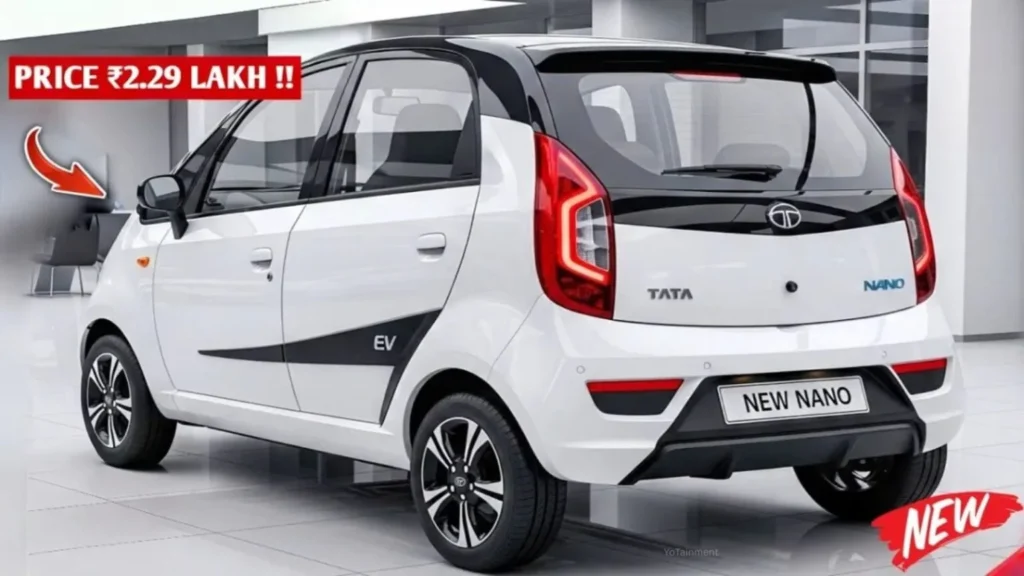
Industry expectations point toward a more rounded, youthful shape inspired by Tata’s current design language. A revised front end with sleeker headlamps, LED daytime running lights, and a cleaner grille could give the Nano a far more confident road presence. Subtle character lines and improved proportions may help it look like a compact premium hatchback rather than a barebones city car.
At the rear, updated tail lamps and a neater finish could complete the transformation. The aim appears clear: make the Nano feel aspirational, not apologetic.
Cabin Experience: Small Car, Smarter Space
Built for Everyday Urban Life
Inside, the Tata Nano New Model 2025 is expected to surprise many. Tata Motors has made major strides in interior quality, and those improvements are likely to trickle down. Better seat cushioning, improved materials, and a more logical dashboard layout could make the cabin feel far more welcoming than before.
A touchscreen infotainment system with smartphone connectivity is widely expected, along with a digital or semi-digital instrument cluster. Even simple upgrades like better air-conditioning performance and smarter storage solutions could significantly enhance daily usability.
For a car designed primarily for city use, comfort and ease of driving will matter more than outright luxury, and that’s where the new Nano could quietly shine.
Powertrain Expectations: Petrol and Electric Possibilities
Efficiency Takes Priority
Performance expectations for the Tata Nano New Model 2025 focus firmly on efficiency rather than speed. A small-capacity petrol engine, possibly refined from earlier architectures or slightly enlarged, is expected to deliver smooth city performance with minimal running costs. Mileage figures in the range of 25–30 kmpl would place it among the most fuel-efficient cars in the country.
The electric version could be the real headline. A Nano EV with a realistic range of around 150–200 km would suit daily commuting perfectly. Its lightweight structure could translate into lower battery costs, faster charging, and better efficiency compared to larger electric hatchbacks.
An AMT option could also be on the cards, catering to buyers who want clutch-free driving in heavy traffic.
Safety: A Clear Shift in Priorities
Learning From the Past
Safety was once the Nano’s weakest link, but that narrative is expected to change decisively. Tata Motors’ recent safety-focused approach suggests the Tata Nano New Model 2025 will come with a stronger structure and essential features as standard.
Dual airbags, ABS with EBD, seatbelt reminders, and improved braking performance are likely inclusions. While it won’t compete with larger cars, the emphasis seems to be on making the Nano genuinely safer for everyday use, especially for families upgrading from two-wheelers.
Pricing Strategy and Market Impact
Aggressive, Yet Realistic
Affordability remains central to the Nano story. Early expectations suggest petrol variants could start around ₹3.20 lakh, with higher trims pushing closer to ₹4.50 lakh. An electric version, if introduced, could land between ₹4.99 lakh and ₹6.50 lakh, potentially making it one of India’s most accessible EVs.
This pricing would place the Nano in a unique position. It wouldn’t directly compete with premium hatchbacks but could attract buyers who find even entry-level cars increasingly expensive. From a market perspective, it could also pressure rivals to rethink how they approach the budget city car segment.
Who the New Nano Is Really For
The Tata Nano New Model 2025 appears aimed squarely at urban India. First-time buyers, students, young professionals, and families seeking a second car for city duties could all find value here. The electric version, in particular, may appeal to cost-conscious commuters who want an EV without stretching their budget.
More importantly, the Nano’s potential comeback could help normalize the idea that small cars can still be modern, safe, and desirable.
Final Outlook: A Second Chance Done Right
The Nano has always carried emotional weight in India’s automotive story. With the Tata Nano New Model 2025, Tata Motors seems determined to turn that legacy into something relevant for today’s buyers. Modern design, improved safety, smarter features, and strong efficiency could finally align the Nano’s vision with market expectations.
If Tata gets the execution right, this comeback won’t just be about reviving a nameplate. It could reshape how affordable urban mobility is defined in the years ahead.